Fibre mascara has gone from niche to mainstream fast. Industry trend reports are calling 2026 the year fibre formulas shift from a false-lash alternative into a genuine lash-treatment category — and the market data backs it up, with the wider mascara market projected to keep growing at a steady clip through the decade.
The trend, backed by the data
The shift industry analysts are flagging isn't just "more fibres" — it's fibres built with plant-based conditioning ingredients, aimed at a longer-wearing, better-built formula rather than a one-off effect. On social media, the framing has shifted too, with fibre formulas increasingly pitched as the way to get an extension-like look without glue or a salon chair.
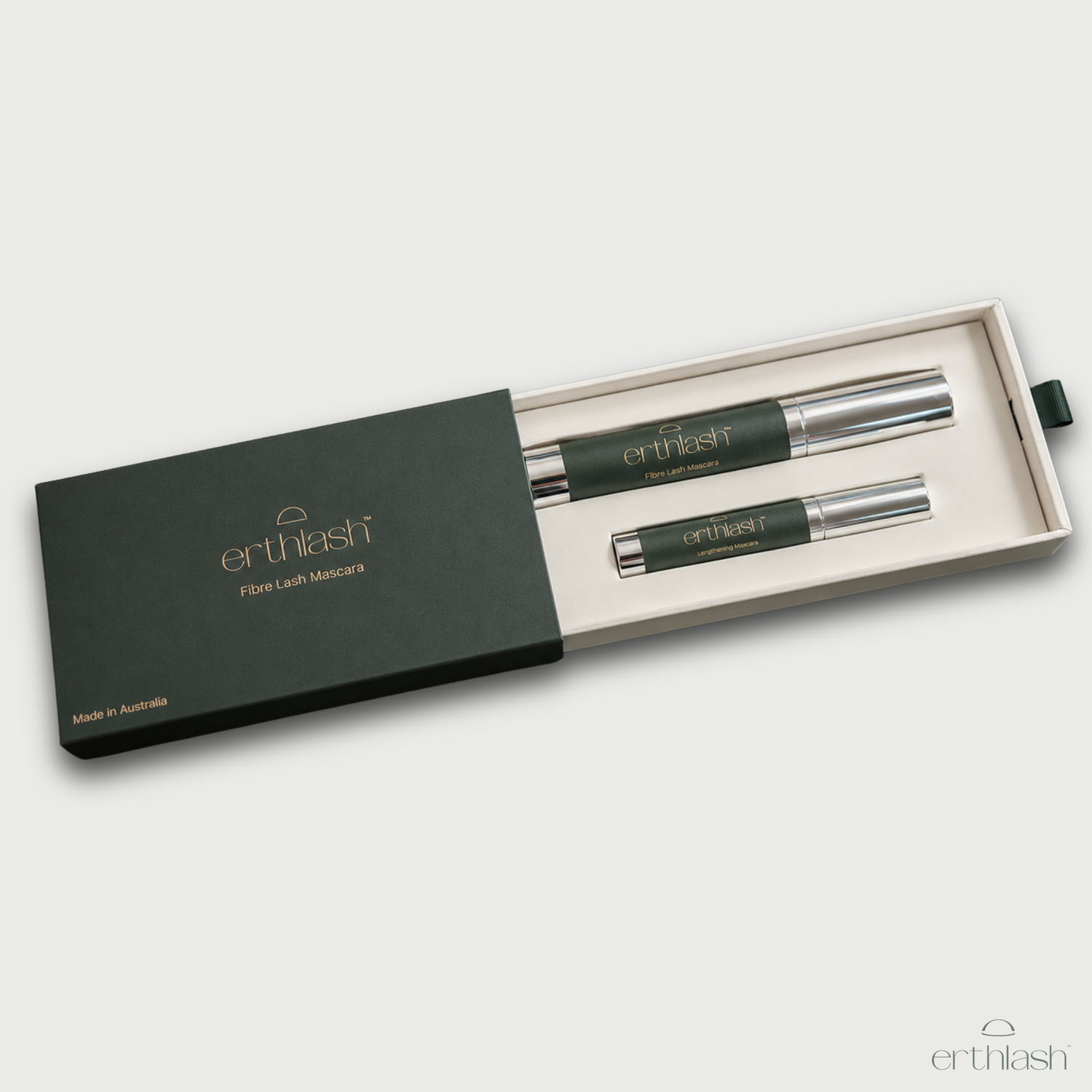
That's the same territory our Fibre Lash Mascara sits in — a two-step, green tea fibre formula built for length and volume without extensions.
How to apply it so the fibres actually stay put
Fibre fallout is the most common complaint about this category, and it comes down to formulation and technique together — get both right and it's a non-issue. Here's how we'd apply our Fibre Lash Mascara:
- Start halfway up the lash, not at the base. Applying fibres from the mid-lash to the tip gives length without loading fibres at the root, where they're more likely to shed onto the skin.
- Look down while you apply. This keeps loose fibres falling onto your cheek rather than into the eye.
- Seal while it's still wet. Go over the fibres with your top coat before they've had a chance to dry — this is what locks them onto the lash rather than leaving them sitting loose on the surface.
- Even out clumps with a spoolie while everything's still wet. Once it dries, a spoolie will pull fibres off rather than redistribute them, so this step only works in the wet stage.
- Once fully dry, clean up any flakes with a cotton tip. A precise pass along the lash line catches stray fibres without disturbing the rest of the coat.
Formulation and technique — that's what matters
The honest answer here is straightforward: fibre mascara performs safely and predictably when the formulation is right and the application technique respects how fibres actually behave. That's the standard we built our Fibre Lash Mascara around.
Our Fibre Lash Mascara was formulated with this in mind: a synthetic beeswax and carnauba wax blend instead of natural beeswax (keeping it vegan-friendly and reducing a common irritant), Australian iron oxide pigment for the black, and a formula positioned for mature and/or sensitive eyes and contact lens wearers. For more on how we think about ingredient safety near the eye, see Why Lash Serums Need Preservatives (And Why They're Safe for Sensitive Eyes).
The takeaway
Fibre mascara's growth isn't hype — the market data backs it up. Applied the right way — mid-lash to tip, sealed wet, cleaned up dry — fallout stops being an issue at all.


Leave a comment
This site is protected by hCaptcha and the hCaptcha Privacy Policy and Terms of Service apply.